

Journal of Oral Biology
Download PDF
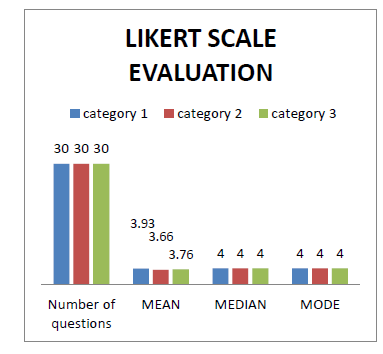 Figure 1: Descriptive Analysis of various queries on chat GPT
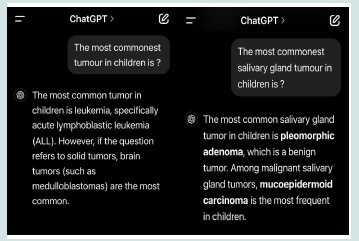 Figure 2:Figure shows how precision of question plays an important role
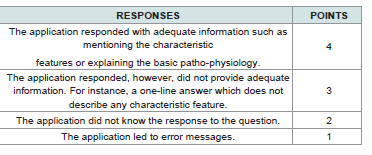 Table 1:4 Point Modified Likert Scale.
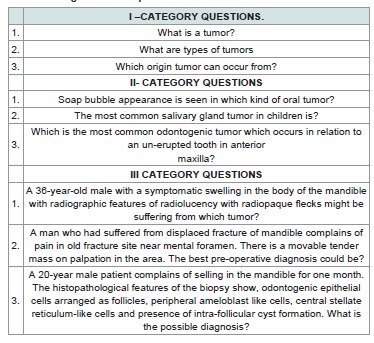 Table 2:Categorization of questions
Research Article
Assessing the Accuracy and Clinical Applicability of Chat Gpt: Navigating Tumors in Oral Pathology
Kaparaboina AR*, Ayinampudi BK, Gayathri CH, Kurakula S and Gannepalli A
Department of Oral Pathology, Panineeya Institute of Dental sciences and Research Centre, Hyderabad, India
*Address for Correspondence:Dr.Anjana Raj Kaparaboina,
Department of Oral Pathology, Panineeya Institute of Dental sciences and
Research Centre, Hyderabad, India. E-mail Id: araj91198@gmail.com
Submission:19 November 2025
Accepted:16 December 2025
Published: 18 December 2025
Copyright: ©2025 Kaparaboina AR, et al. This is an open access
article distributed under the Creative Commons Attribution License,
which permits unrestricted use, distribution, and reproduction in any
medium, provided the original work is properly cited.
Keywords:Oral Pathology; Chat GPT; Artificial Intelligence; Oral Tumors
Abstract
Chat GPT, with its advanced language processing capabilities,
can be a valuable tool in the field of oral pathology. It can assist
professionals by providing instant access to a vast repository of
medical knowledge, aiding in the diagnosis of oral diseases through
symptom analysis and suggesting possible differential diagnoses. This
study aimed to evaluate the potential usefulness of Chat Generated
Pre-Trained Transformer-3.5 (ChatGPT-3.5) in oral and maxillofacial
Pathology for report writing by identifying radiographic, anatomical
landmarks and learning about oral and maxillofacial pathologies and
their histological features. A questionnaire consisting of 90 questions
was queried on the Open AI app, ChatGPT-3.5. These questions were
segregated based on three categories. The categorization was done
as Category 1: simple or elementary level prompts (straight forward
questions), Category 2: Intermediate level prompt (question which
require reasoning), Category3: Intricate level prompts (Case history
related questions).The mean scores for the evaluated categories were
as follows: Category 1 had a mean score of 3.93, Category 2 had a
mean score of 3.66, and Category 3 had a mean score of 3.76. Across
all categories, the median score was 4, indicating that at least 50% of
the responses were rated at this level. The mode for all categories was
also 4, reflecting the most frequently occurring score. These central
tendency measures suggest a generally positive assessment across the
categories.
Introduction
Chat GPT is an open AI (Artificial Intelligence) programme that
generates text, based on written prompts. It is a natural language
processing model with 175 billion parameters that uses deep learning
algorithms to generate responses similar to humans. The 21st century
has seen an exponential increase in use of AI in research, education
and health care.
With the advent of technology, artificial intelligence is emerging to be and is currently among the most researched technologies. Alan Turing, in 1950, suggested the Turing test, which is a test to compare if a machine can accomplish intelligence at the human level. [1] Machine Learning (ML) has had a notable impact in various domains, such as science, technology, Engineering and medicine. ML falls under the umbrella of artificial intelligence (AI), using a range of statistical, probabilistic, and optimization methods to enable computers to “learn” from previous instances and identify intricate patterns. [2]
Chat GPT, an acronym for Generative Pre-trained Transformer, a powerful and versatile natural language processing (or Natural Language Processing) tool that uses advanced machine learning algorithms to generate human-like responses within a conversation. Released on 30 November 2022 by Open AI, Chat GPT was trained until the end of 2021 on more than 300 billion words, with the ability to respond on a huge variety of topics and with the ability to learn from its human interlocutor [3]. In this way, it reached 57 million users in the first month and 100 million users in January 2023 [4].
With the advent of technology, artificial intelligence is emerging to be and is currently among the most researched technologies. Alan Turing, in 1950, suggested the Turing test, which is a test to compare if a machine can accomplish intelligence at the human level. [1] Machine Learning (ML) has had a notable impact in various domains, such as science, technology, Engineering and medicine. ML falls under the umbrella of artificial intelligence (AI), using a range of statistical, probabilistic, and optimization methods to enable computers to “learn” from previous instances and identify intricate patterns. [2]
Chat GPT, an acronym for Generative Pre-trained Transformer, a powerful and versatile natural language processing (or Natural Language Processing) tool that uses advanced machine learning algorithms to generate human-like responses within a conversation. Released on 30 November 2022 by Open AI, Chat GPT was trained until the end of 2021 on more than 300 billion words, with the ability to respond on a huge variety of topics and with the ability to learn from its human interlocutor [3]. In this way, it reached 57 million users in the first month and 100 million users in January 2023 [4].
Today, artificial intelligence (AI) has been suggested useful
in disease diagnosis, predicting prognosis, or developing patientspecific
treatment strategies. Particularly, AI can assist dentists in
making time-sensitive critical decisions [5]. Oral pathologies can arise
from a range of causes and present with diverse symptoms that can
be diagnosed through a variety of methods. However, the diagnosis
of such pathologies can be challenging due to their complexity and
diversity, as well as to the limitations of conventional methods. Chat
GPT possesses several advantages in the context of diagnosing oral
pathologies, including leveraging the large amount of textual data
available, adapting to different contexts and scenarios, providing a
personalized and engaging text, and reducing the workload and time
required for diagnosis [2].
Chat GPT can be highly useful in the field of tumors in oral pathology, offering a range of benefits for both professionals and students. It can provide instant access to up-to-date information on various types of tumors, including their clinical presentations, diagnostic approaches, and treatment options
Artificial intelligence (AI) has seen rapid progress in recent years and is now increasingly incorporated into multiple academic, industrial, and healthcare sectors. Among AI-driven language models, Chat GPT has emerged as a prominent tool due to its ability to generate context-appropriate text, translate languages efficiently, summarize large volumes of information, write computer code, and analyze complex datasets including clinical and genomic data. These capabilities have contributed to its growing application in education, scientific research, clinical documentation, workflow optimization, and personalized healthcare.[4]
Chat GPT can be highly useful in the field of tumors in oral pathology, offering a range of benefits for both professionals and students. It can provide instant access to up-to-date information on various types of tumors, including their clinical presentations, diagnostic approaches, and treatment options
Artificial intelligence (AI) has seen rapid progress in recent years and is now increasingly incorporated into multiple academic, industrial, and healthcare sectors. Among AI-driven language models, Chat GPT has emerged as a prominent tool due to its ability to generate context-appropriate text, translate languages efficiently, summarize large volumes of information, write computer code, and analyze complex datasets including clinical and genomic data. These capabilities have contributed to its growing application in education, scientific research, clinical documentation, workflow optimization, and personalized healthcare.[4]
In dentistry, and particularly within oral pathology, clinical
decision-making requires extensive knowledge and the ability to
interpret diverse clinical and histo-pathological presentations.
Oral diseases often originate from varied etiologies and can exhibit
overlapping symptoms, making accurate diagnosis challenging.
Successful treatment planning depends on a clear understanding
of pathology, diagnostic criteria, and the integration of clinical and
microscopic findings.
Recent literature suggests that AI may support healthcare
professionals in diagnosing diseases, predicting outcomes, and
formulating individualized treatment approaches.[5] By minimizing
human error and reducing diagnostic subjectivity, AI systems may
enhance quality of care, improve efficiency, and reduce cognitive
workload on clinicians.
Within oral pathology education, complex subjects such as oral tumors often require extensive reading and deep conceptual understanding. Chat GPT offers potential academic benefits by simplifying complex content, summarizing textbooks and research articles, and providing structured explanations of disease etiology, clinical features, histopathology, and management. Additionally, it may help user’s correlate clinical manifestations with pathological findings, thereby supporting a more integrative learning approach.
Considering these emerging advantages, the present study focuses on evaluating the role of Chat GPT within oral pathology. This research examines how Chat GPT responds to a standardized set of questions, assesses its relevance and accuracy in interpreting oral pathology-related content, and explores its potential use as a supplemental tool for education, clinical reasoning, and diagnostic support.
Within oral pathology education, complex subjects such as oral tumors often require extensive reading and deep conceptual understanding. Chat GPT offers potential academic benefits by simplifying complex content, summarizing textbooks and research articles, and providing structured explanations of disease etiology, clinical features, histopathology, and management. Additionally, it may help user’s correlate clinical manifestations with pathological findings, thereby supporting a more integrative learning approach.
Considering these emerging advantages, the present study focuses on evaluating the role of Chat GPT within oral pathology. This research examines how Chat GPT responds to a standardized set of questions, assesses its relevance and accuracy in interpreting oral pathology-related content, and explores its potential use as a supplemental tool for education, clinical reasoning, and diagnostic support.
Research Methodology
We have crafted a series of questions encompassing various aspects
of oral tumors in a period of 3 months from various textbooks of oral
pathology and with our knowledge throughout the subject. These
questions were standardized according to three categories. The first
category aimed to evaluate chat GPTs ability to provide fundamental
definition and factorial information. The second category was to
analyze the capacity of chat GPT to assess the information and draw
logical conclusion. The last category includes complex scenarios
which aimed to evaluate the tool’s ability to apply knowledge to
real-world clinical situation and provide comprehensive, integrated
response.
Overall, 90 prompts were grouped into 3 categories and were
questioned with chat GPT 3.5 version developed by Open AI. We
used 3.5 version which is more accessible for users unfamiliar with AI
or complex systems as it offers simplicity and ease of use. According
to researchers we have learned that 3.5 version often provides fast
responses and it strikes a balance between performance and efficiency
providing high quality response making it more practical choice. The
three categories included are
Category1: simple or elementary level prompts (straight forward questions) Example: what is a tumor?
Category2: Intermediate level prompt? (question which require reasoning) Example: In which condition the oral mucosa becomes rigid, blanched and opaque?
Category 3: Intricate level prompt (Case history related questions). All the prompts were standardized into their respective groups without any bias. All these prompts were queried with chat GPT 3.5 version and were analyzed using 4-point modified Likert scale. [1]
The points for the responses included are mentioned in [Table 1]. The outcomes of the retrieved queries were recorded on a Microsoft Excel sheet 2007 and mean, median, and mode values were recorded using a calculator.
Few of the questions according to each category are mentioned below in the [Table 2] .
Category1: simple or elementary level prompts (straight forward questions) Example: what is a tumor?
Category2: Intermediate level prompt? (question which require reasoning) Example: In which condition the oral mucosa becomes rigid, blanched and opaque?
Category 3: Intricate level prompt (Case history related questions). All the prompts were standardized into their respective groups without any bias. All these prompts were queried with chat GPT 3.5 version and were analyzed using 4-point modified Likert scale. [1]
The points for the responses included are mentioned in [Table 1]. The outcomes of the retrieved queries were recorded on a Microsoft Excel sheet 2007 and mean, median, and mode values were recorded using a calculator.
Few of the questions according to each category are mentioned below in the [Table 2] .
Results
This research evaluated the perceived significance of Chat GPT as
a supportive resource in communication, information retrieval, and
both academic and professional endeavors. The results were examined
through descriptive statistics, which included mean, median, and
mode, to encapsulate the central tendency of the responses.
The mean scores obtained on a 4-point Likert scale were 3.93 for Category I, 3.66 for Category II, and 3.76 for Category III, [Figure 1] reflecting a consistently high level of perceived utility. These findings imply that Chat GPT as an exceptionally valuable tool that can enhance efficiency, clarify tasks and aid in decision-making. The elevated mean scores further substantiate the favorable perception of AI-driven conversational systems in practical application contexts.
Both the median and mode values were recorded at 4, indicating that the majority of respondents assigned the highest rating to Chat GPT. This consistency in responses underscores strong user acceptance, revealing a collective belief in the relevance and dependability of Chat GPT across various activities.
These results are significantly pertinent to the current investigation, as they support the hypothesis that conversational AI can greatly assist users in academic and professional settings. The findings not only illustrate contemporary utility such as improved workflows, rapid information access, and enhanced communication but also suggest a strong potential for the future incorporation of AI technologies in education, research, and healthcare.
The mean scores obtained on a 4-point Likert scale were 3.93 for Category I, 3.66 for Category II, and 3.76 for Category III, [Figure 1] reflecting a consistently high level of perceived utility. These findings imply that Chat GPT as an exceptionally valuable tool that can enhance efficiency, clarify tasks and aid in decision-making. The elevated mean scores further substantiate the favorable perception of AI-driven conversational systems in practical application contexts.
Both the median and mode values were recorded at 4, indicating that the majority of respondents assigned the highest rating to Chat GPT. This consistency in responses underscores strong user acceptance, revealing a collective belief in the relevance and dependability of Chat GPT across various activities.
These results are significantly pertinent to the current investigation, as they support the hypothesis that conversational AI can greatly assist users in academic and professional settings. The findings not only illustrate contemporary utility such as improved workflows, rapid information access, and enhanced communication but also suggest a strong potential for the future incorporation of AI technologies in education, research, and healthcare.
Discussion
Artificial intelligence (AI) is a broad trans-disciplinary field
with roots in logic, statistics, cognitive psychology, decision theory,
neuroscience, linguistics, cybernetics, and computer engineering.
Chat GPT, with so many strong functions, is an integration of
multiple technologies such as deep learning, unsupervised learning,
instruction fine-tuning, multi-task learning, in-context learning and
reinforcement learning.[11] Chat GPT is able to remember what the
user has said earlier in the conversation which helps for continuous
dialogue.[9]
AI models such as Chat GPT can contribute to the healthcare
sector by offering an objective and evidence backed method of
decision-making, thereby decreasing the likelihood of human error
due to its unmatched processing speed. [6,7]
In the first few months after its official launch, many papers were published in the purely informatics field, but, as the weeks went by, the medical and scientific fields were also interested, with a particular interest in the education, research and simulation of clinical pictures of patients, as well as applications in hygiene and public health, clinical medicine, oncology and surgery. [3,12]
The application of Chat GPT in pathology is still in its initial phases. Specifically, in Chat GPT 3.5, it is evident that the data in total on which the algorithm has been instructed plays a crucial role in its capability to furnish righteous responses to specific prompts.[13]
In the first few months after its official launch, many papers were published in the purely informatics field, but, as the weeks went by, the medical and scientific fields were also interested, with a particular interest in the education, research and simulation of clinical pictures of patients, as well as applications in hygiene and public health, clinical medicine, oncology and surgery. [3,12]
The application of Chat GPT in pathology is still in its initial phases. Specifically, in Chat GPT 3.5, it is evident that the data in total on which the algorithm has been instructed plays a crucial role in its capability to furnish righteous responses to specific prompts.[13]
There are challenges that we have been facing in using this
application. The precision of the questions posed to Chat GPT
is crucial for obtaining accurate and relevant responses. A wellformulated
question ensures that the AI can interpret the inquiry
correctly and provide information that closely aligns with the user’s
intent. This is particularly important in professional and academic
settings, where clarity and specificity can significantly impact
the quality and usefulness of the AI’s output. Therefore, carefully
crafting questions with clear and detailed parameters is essential for
maximizing the effectiveness of Chat GPT in any task. One of the
concerns is that regarding the quality of training datasets that could
generate biased content and inaccurate information prior to 2021.
One the other hand, there is some issue of Chat GPT in research,
being insufficient or misleading. [7]
Chat GPT acknowledges that current limitations and possible pitfalls includes:
1) Lack of data diversity
2) perpetuating pre-existing data biases
3) lack of diagnosis understanding/ interpretation,
4) protecting patient health data from unauthorized access,
5) compliance with health care regulations
6) validation and accreditation of routine AI usage by regulatory bodies.[10]
The application of Chat GPT in pathology is still in its initial phases. Specifically, in Chat GPT 3.5, it is evident that the data in total on which the algorithm has been instructed plays a crucial role in its capability to furnish righteous responses to specific prompts.[13]
An example is mentioned below, which shows how precision of question plays an important role [Figure 2].
Chat GPT acknowledges that current limitations and possible pitfalls includes:
1) Lack of data diversity
2) perpetuating pre-existing data biases
3) lack of diagnosis understanding/ interpretation,
4) protecting patient health data from unauthorized access,
5) compliance with health care regulations
6) validation and accreditation of routine AI usage by regulatory bodies.[10]
The application of Chat GPT in pathology is still in its initial phases. Specifically, in Chat GPT 3.5, it is evident that the data in total on which the algorithm has been instructed plays a crucial role in its capability to furnish righteous responses to specific prompts.[13]
An example is mentioned below, which shows how precision of question plays an important role [Figure 2].
Such answers could raise a problem in the case history related
questions where précised answer plays an important role to know the
diagnosis. Righteous responses to specific prompts play a key role.
The consequences of incorrect medical recommendations represent
a grave concern for this technology because inadequate follow-up
could lead to significant morbidity or mortality.[14]
Conclusion
Through our study we have observed the various roles of chat
GPT in learning in detail about tumors and various reasoning
questions and also case history-oriented questions. As the reasoning
questions remained unanswered in an appropriate way, we realized
the precision of the question plays an important role.
This tool, it represents a transformative device in navigating the complexities of oral tumors offering significant utility in education purpose. Accessing the information in regards to educational purpose, its ability to summarize vast amounts of medical data quickly enabled learning easy. However, the application of Chat GPT in the context of oral tumors is not without limitations. The model’s reliance on pre-existing data may lead to outdated or incomplete information, and its inability to critically analyze or verify sources poses a risk in clinical settings. Furthermore, Chat GPT lacks the nuanced judgment and ethical considerations inherent to human healthcare providers, emphasizing its role as a supplementary tool rather than a replacement. Ensuring proper oversight, integrating expert validation, and addressing concerns around patient privacy and data security are essential to harness its full potential responsibly.
Clearly, careful review by a doctor would be required before entering any Chat GPT outputs into the medical record or any learning process. In light of the positive trend in user perception, subsequent studies may investigate Chat GPT’s influence on longterm behavioral adaptation, skill enhancement, and its effects on productivity, learning outcomes, and human-AI collaboration.
Ethical Statement: This study does not contain any studies with human or animal subjects performed by any of the authors.
Conflicts of Interest: The authors declare that they have no conflicts of interest to this work.
This tool, it represents a transformative device in navigating the complexities of oral tumors offering significant utility in education purpose. Accessing the information in regards to educational purpose, its ability to summarize vast amounts of medical data quickly enabled learning easy. However, the application of Chat GPT in the context of oral tumors is not without limitations. The model’s reliance on pre-existing data may lead to outdated or incomplete information, and its inability to critically analyze or verify sources poses a risk in clinical settings. Furthermore, Chat GPT lacks the nuanced judgment and ethical considerations inherent to human healthcare providers, emphasizing its role as a supplementary tool rather than a replacement. Ensuring proper oversight, integrating expert validation, and addressing concerns around patient privacy and data security are essential to harness its full potential responsibly.
Clearly, careful review by a doctor would be required before entering any Chat GPT outputs into the medical record or any learning process. In light of the positive trend in user perception, subsequent studies may investigate Chat GPT’s influence on longterm behavioral adaptation, skill enhancement, and its effects on productivity, learning outcomes, and human-AI collaboration.
Ethical Statement: This study does not contain any studies with human or animal subjects performed by any of the authors.
Conflicts of Interest: The authors declare that they have no conflicts of interest to this work.
References
Citation
Kaparaboina AR, Ayinampudi BK, Gayathri CH, Kurakula S, Gannepalli A. Assessing the Accuracy and Clinical Applicability of Chat Gpt: Navigating Tumors in Oral Pathology. An Exploratory Study. J Oral Biol. 2025; 9(1): 1.