

Journal of Clinical and Investigative Dermatology
Download PDF
Euglycemic diabetic ketoacidosis (euDKA) represents a small but clinically significant subset of diabetic ketoacidosis. Although the absolute incidence is low compared to classical DKA, it carries a comparable risk of morbidity, particularly when recognition is delayed. Increasing awareness suggests that euDKA is more prevalent than previously appreciated in patients with Type 2 Diabetes Mellitus.
The pathogenesis can be conceptualized as a sequence:
SGLT2 inhibition → glycosuria → lower insulin + higher glucagon → increased lipolysis → hepatic ketogenesis → ketone accumulation + metabolic acidosis + normal glucose levels → euglycemic DKA
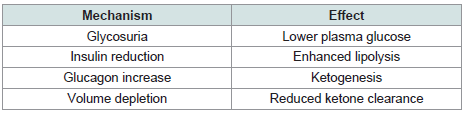 Table 1:Shows the summarised mechanisms underlying in euglycemic diabetic
ketoacidosis.
Table 1:Shows the summarised mechanisms underlying in euglycemic diabetic
ketoacidosis.
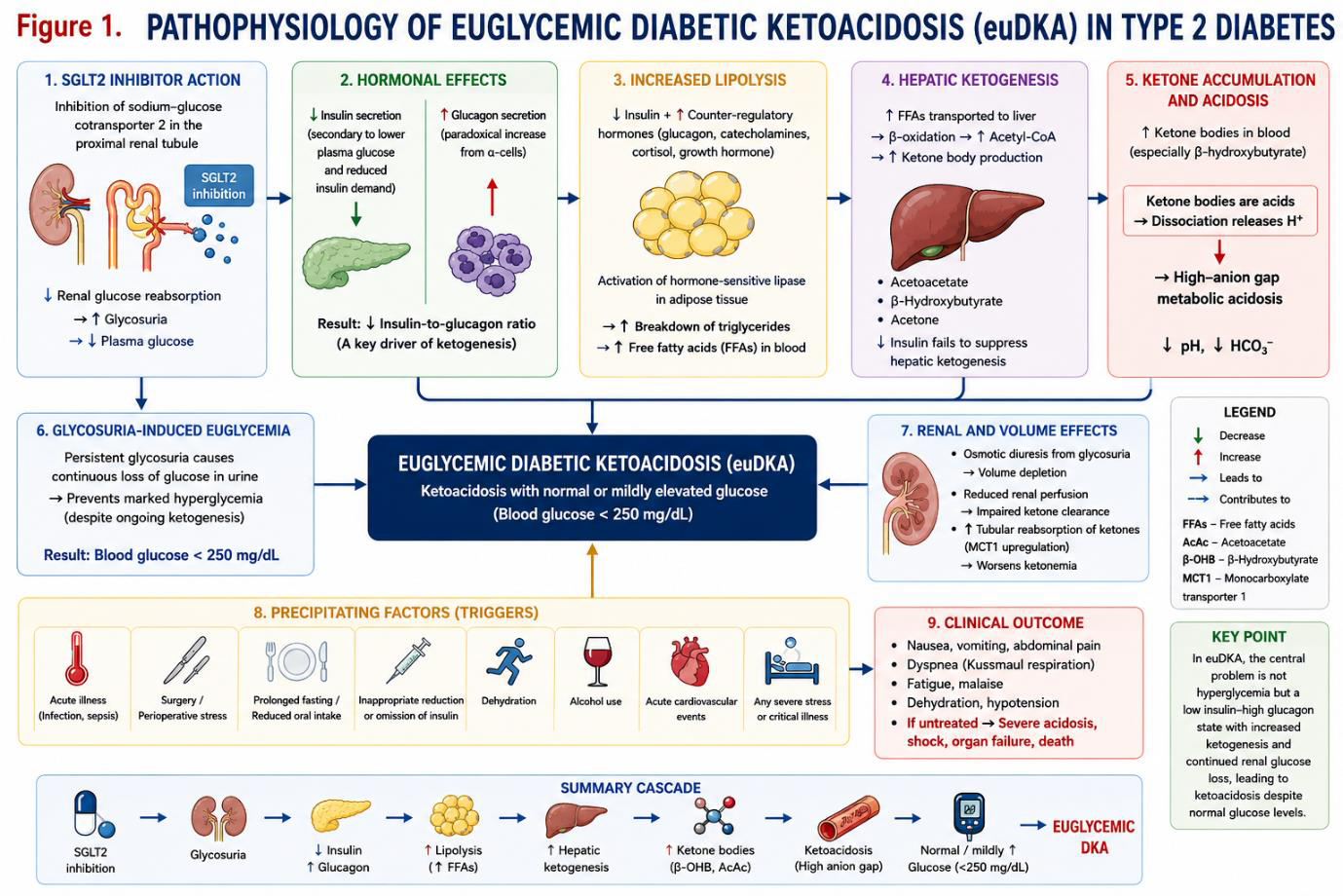 Figure 1:Pathophysiological mechanisms underlying euglycemic diabetic ketoacidosis (euDKA) in patients with type 2 diabetes mellitus (T2DM), highlighting the interplay between insulin deficiency, increased glucagon secretion, enhanced lipolysis and ketogenesis, reduced carbohydrate availability, and renal
glucose loss leading to metabolic acidosis despite near-normal blood glucose levels.
Figure 1:Pathophysiological mechanisms underlying euglycemic diabetic ketoacidosis (euDKA) in patients with type 2 diabetes mellitus (T2DM), highlighting the interplay between insulin deficiency, increased glucagon secretion, enhanced lipolysis and ketogenesis, reduced carbohydrate availability, and renal
glucose loss leading to metabolic acidosis despite near-normal blood glucose levels.
Diabetic ketoacidosis in Type 2 Diabetes Mellitus exists along a continuum of clinical presentations. Classical DKA is characterized by marked hyperglycemia, ketosis, and metabolic acidosis, typically resulting from significant insulin deficiency. In contrast, mixed DKA–hyperosmolar states exhibit overlapping features of DKA and hyperosmolar hyperglycemic syndrome, often seen in older patients with T2DM. Euglycemic DKA represents a distinct variant in which significant ketosis and acidosis occur despite normal or mildly elevated glucose levels, making diagnosis particularly challenging.
A defining challenge in euDKA is the presence of normal or only mildly elevated blood glucose levels, which may falsely reassure clinicians and delay consideration of Diabetic Ketoacidosis. This atypical biochemical profile contributes significantly to underrecognition.
• Blood β-hydroxybutyrate (BHB) ≥3.0 mmol/L
• Arterial or venous pH <7.3 or serum bicarbonate <18 mmol/L
• Blood glucose typically <200–250 mg/dL, often ranging between 100–150 mg/dL
• Presence of high–anion gap metabolic acidosis
Measurement of serum β-hydroxybutyrate is preferred over urine ketone testing because urine assays primarily detect acetoacetate and may underestimate the severity of ketosis during active treatment.
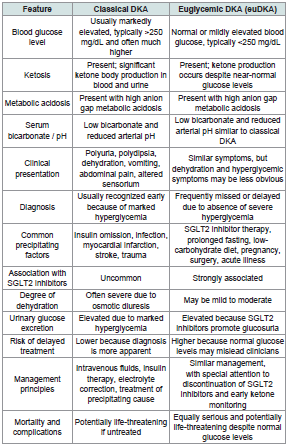 Table 2:Key Differences Between Classical Diabetic Ketoacidosis (DKA) and
Euglycemic Diabetic Ketoacidosis (euDKA)
Table 2:Key Differences Between Classical Diabetic Ketoacidosis (DKA) and
Euglycemic Diabetic Ketoacidosis (euDKA)
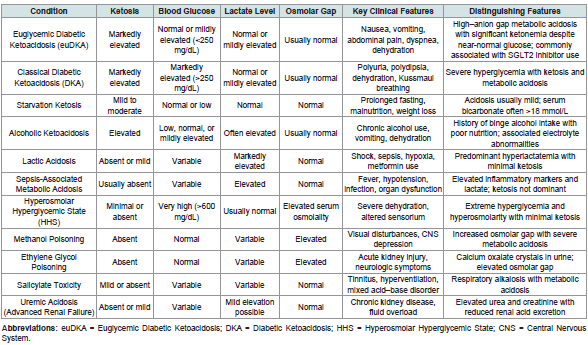 Table 3:Differential Diagnosis of Euglycemic Diabetic Ketoacidosis (euDKA)
• Fasting or markedly reduced oral intake
• Vomiting or diarrhea
• Infection or sepsis
• Prolonged or intense physical exercise
• Low-carbohydrate or ketogenic diets
Patients should be advised to maintain hydration, monitor ketone levels when symptomatic, and seek early medical attention if nausea, vomiting, abdominal pain, or dyspnea develop.
SGLT2 inhibitors should only be restarted once the patient is clinically stable, eating reliably, adequately hydrated, and free of ongoing precipitating factors such as infection or surgical stress.
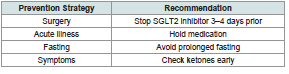 Table 4:summarizes the prevention strategies of euglycemic DKA
Review Article
Euglycemic Diabetic Ketoacidosis in Type 2 Diabetes: An Emerging Clinical Challenge
Sibi Das*
Department of Medicine, NC Medical College, Israna, Panipat, Haryana, India.
*Address for Correspondence:Dr. Sibi Das, Department of Medicine, NC Medical College,
Israna, Panipat, Haryana, India. E-mail Id: sdsilvanose@gmail.com
Submission: 23 April, 2026
Accepted: 27 May, 2026
Published: 30 May, 2026
Copyright: © 2026 Das S. This is an open access article
distributed under the Creative Commons Attribution License,
which permits unrestricted use, distribution, and reproduction
in any medium, provided the original work is properly cited.
Keywords:SGLT2 Inhibitors; Euglycemic DKA; Diabetic Ketoacidosis; Type 2
Diabetes; Ketogenesis
Abstract
Diabetic ketoacidosis (DKA) is a life-threatening metabolic emergency
characterized by insulin deficiency, ketonemia, and high–anion gap metabolic acidosis.
Although traditionally associated with type 1 diabetes, DKA is increasingly recognized
in Type 2 Diabetes Mellitus, particularly in the context of evolving therapies and
metabolic stress.
A notable shift in recent years is the emergence of euglycemic diabetic ketoacidosis (euDKA), defined as DKA with blood glucose levels <250 mg/dL. This atypical presentation frequently delays diagnosis and contributes to under recognition. The widespread use of SGLT2 inhibitors—including empagliflozin, dapagliflozin, and canagliflozin—has transformed diabetes management by improving glycemic control and providing cardiovascular and renal benefits. However, these agents are associated with an increased risk of DKA, often presenting in a euglycemic form. Although the absolute incidence remains low (~0.1–0.3%), studies suggest a 2-7-fold increased risk in certain populations.
The pathophysiology is multifactorial, involving reduced insulin levels, increased glucagon activity, enhanced lipolysis, and accelerated ketogenesis, combined with glycosuria-induced normoglycemia. Precipitating factors such as acute illness, surgery, fasting, dehydration, and insulin dose reduction further increase susceptibility. Clinically, euDKA presents with nonspecific symptoms such as nausea, vomiting, abdominal pain, and dyspnea, often mimicking other acute conditions. The absence of marked hyperglycemia contributes to diagnostic delay unless ketones and acid–base status are promptly assessed.
This review synthesizes current evidence on epidemiology, pathophysiology, risk factors, diagnostic challenges, and prevention strategies of SGLT2 inhibitor–associated euDKA. Early recognition, structured prevention strategies, and appropriate patient selection are essential to optimize outcomes while preserving the therapeutic benefits of this drug class.
A notable shift in recent years is the emergence of euglycemic diabetic ketoacidosis (euDKA), defined as DKA with blood glucose levels <250 mg/dL. This atypical presentation frequently delays diagnosis and contributes to under recognition. The widespread use of SGLT2 inhibitors—including empagliflozin, dapagliflozin, and canagliflozin—has transformed diabetes management by improving glycemic control and providing cardiovascular and renal benefits. However, these agents are associated with an increased risk of DKA, often presenting in a euglycemic form. Although the absolute incidence remains low (~0.1–0.3%), studies suggest a 2-7-fold increased risk in certain populations.
The pathophysiology is multifactorial, involving reduced insulin levels, increased glucagon activity, enhanced lipolysis, and accelerated ketogenesis, combined with glycosuria-induced normoglycemia. Precipitating factors such as acute illness, surgery, fasting, dehydration, and insulin dose reduction further increase susceptibility. Clinically, euDKA presents with nonspecific symptoms such as nausea, vomiting, abdominal pain, and dyspnea, often mimicking other acute conditions. The absence of marked hyperglycemia contributes to diagnostic delay unless ketones and acid–base status are promptly assessed.
This review synthesizes current evidence on epidemiology, pathophysiology, risk factors, diagnostic challenges, and prevention strategies of SGLT2 inhibitor–associated euDKA. Early recognition, structured prevention strategies, and appropriate patient selection are essential to optimize outcomes while preserving the therapeutic benefits of this drug class.
Introduction
Diabetic ketoacidosis is a serious acute metabolic complication
characterized by the triad of hyperglycemia, ketosis, and metabolic
acidosis. While historically associated with absolute insulin deficiency
in type 1 diabetes, its occurrence in Type 2 Diabetes Mellitus is
increasingly recognized, particularly in the presence of relative insulin
deficiency, physiological stress, and modern pharmacotherapies.
Euglycemic diabetic ketoacidosis (euDKA) is defined as the presence of metabolic acidosis and ketosis with blood glucose levels below 250 mg/dL. This atypical presentation represents a clinically important diagnostic challenge. The introduction of SGLT2 inhibitors has significantly altered the landscape of diabetes care. By inhibiting renal glucose reabsorption in the proximal tubule, these agents induce glycosuria and reduce plasma glucose levels independent of insulin action. While offering substantial cardiovascular and renal benefits, they have also been associated with an increased risk of DKA, frequently presenting as euDKA.
Euglycemic diabetic ketoacidosis (euDKA) is defined as the presence of metabolic acidosis and ketosis with blood glucose levels below 250 mg/dL. This atypical presentation represents a clinically important diagnostic challenge. The introduction of SGLT2 inhibitors has significantly altered the landscape of diabetes care. By inhibiting renal glucose reabsorption in the proximal tubule, these agents induce glycosuria and reduce plasma glucose levels independent of insulin action. While offering substantial cardiovascular and renal benefits, they have also been associated with an increased risk of DKA, frequently presenting as euDKA.
The absence of marked hyperglycemia in euDKA often delays
diagnosis, as clinicians may not initially consider DKA in patients with
near-normal glucose levels. This creates a critical gap in recognition,
particularly in emergency and inpatient settings.
Given the expanding use of SGLT2 inhibitors and increasing reports of euDKA, a comprehensive understanding of this condition is essential. This review aims to provide an updated synthesis of its epidemiology, mechanisms, risk factors, diagnostic challenges, and prevention strategies.
Given the expanding use of SGLT2 inhibitors and increasing reports of euDKA, a comprehensive understanding of this condition is essential. This review aims to provide an updated synthesis of its epidemiology, mechanisms, risk factors, diagnostic challenges, and prevention strategies.
Epidemiology and Emerging Trends:
Incidence and Clinical SignificanceEuglycemic diabetic ketoacidosis (euDKA) represents a small but clinically significant subset of diabetic ketoacidosis. Although the absolute incidence is low compared to classical DKA, it carries a comparable risk of morbidity, particularly when recognition is delayed. Increasing awareness suggests that euDKA is more prevalent than previously appreciated in patients with Type 2 Diabetes Mellitus.
Impact of SGLT2 Inhibitor Use:
The epidemiology of euDKA has evolved with the widespread
use of SGLT2 inhibitors. Evidence from clinical trials and real-world
studies indicates an increased risk of DKA associated with this drug
class, with a substantial proportion presenting in euglycemic form.
Although the overall risk remains low, increased utilization has
contributed to a rise in reported cases globally.
High-Risk Clinical Settings:
Hospitalized, perioperative, and critically ill patients are at
increased risk of euDKA. Recent 2026 acute care reviews emphasize
that perioperative metabolic stress, prolonged fasting, infection, and
interruption of insulin therapy significantly amplify susceptibility in
patients receiving SGLT2 inhibitors. Emergency and intensive care
settings are particularly vulnerable environments because euDKA
may initially present with only mild hyperglycemia despite severe
metabolic acidosis. In unplanned surgical or emergency situations
where SGLT2 inhibitors were not discontinued beforehand, clinicians
should actively evaluate for “pseudonormoglycemia,” characterized
by blood glucose levels below 250 mg/dL in the presence of high–
anion gap metabolic acidosis and ketosis.
Under recognition and Diagnostic Challenges:
Despite growing awareness, euDKA remains underdiagnosed.
The absence of significant hyperglycemia frequently delays
consideration of diabetic ketoacidosis, particularly in acute care
settings where glucose levels are often used as the primary diagnostic
trigger. Recent acute care literature highlights that euDKA associated
with SGLT2 inhibitors may follow a more prolonged clinical course
than classical DKA, with metabolic resolution requiring substantially
longer treatment durations in some patients. This under recognition
underscores the importance of early ketone assessment and acid–base
evaluation in all at-risk patients receiving SGLT2 inhibitors.
Pathophysiological Mechanisms:
The development of euDKA reflects a complex interplay of
hormonal imbalance, altered metabolism, and renal mechanisms.
Recent mechanistic studies from 2024–2025 suggest that the
pathophysiology of SGLT2 inhibitor–associated euDKA extends
beyond simple insulin reduction and involves a complex multiorgan
interaction among the pancreatic α-cell, renal tubule, liver,
and neurohormonal pathways. SGLT2 inhibition promotes glucagon
secretion from pancreatic α-cells while simultaneously enhancing
renal glucose loss and altering tubular ketone handling. In addition,
activation of stress-related hormonal pathways, including posterior
pituitary–mediated counter-regulatory responses, may further
amplify ketogenesis during acute illness, fasting, or surgery. These
combined endocrine and renal effects create a metabolic environment
favoring sustained ketone production despite near-normal glucose
concentrations.
Altered Insulin–Glucagon Homeostasis:
SGLT2 inhibitors reduce plasma glucose through insulinindependent
glycosuria, leading to a decline in endogenous insulin
secretion. This reduction in circulating insulin is accompanied by a
paradoxical increase in glucagon secretion from pancreatic α-cells.
The resulting decrease in the insulin-to-glucagon ratio is central to
the pathogenesis of euDKA, as it promotes a metabolic shift from
glucose utilization to fat metabolism. In this hormonal milieu, the
inhibitory effect of insulin on lipolysis and ketogenesis is diminished,
facilitating the accumulation of ketone bodies.
Enhanced Lipolysis and Free Fatty Acid Flux:
The relative insulin deficiency and elevated counter-regulatory
hormones activate hormone-sensitive lipase in adipose tissue, leading
to increased breakdown of triglycerides into free fatty acids. These
free fatty acids are released into the circulation and transported to the
liver, where they serve as substrates for ketone body production. This
enhanced lipolytic state is a key driver of the metabolic cascade that
culminates in ketoacidosis.
Accelerated Hepatic Ketogenesis:
Within the liver, free fatty acids undergo β-oxidation to generate
acetyl-CoA, which is subsequently converted into ketone bodies,
primarily β-hydroxybutyrate and acetoacetate. Under normal
physiological conditions, insulin suppresses hepatic ketogenesis;
however, in the context of reduced insulin activity, this regulatory
mechanism is impaired. Consequently, ketone production becomes
excessive and unregulated, leading to the accumulation of organic
acids and the development of high–anion gap metabolic acidosis.
Glycosuria-Induced Euglycemia:
A distinguishing feature of SGLT2 inhibitor therapy is the
induction of glycosuria through inhibition of renal glucose
reabsorption in the proximal tubule. This mechanism lowers plasma
glucose levels and prevents the marked hyperglycemia typically seen in
classical DKA. As a result, significant ketoacidosis may occur despite
near-normal glucose levels, masking the severity of the underlying
metabolic disturbance and contributing to diagnostic delays.
Renal Handling of Ketones and Volume Depletion:
SGLT2 inhibitors may also influence renal ketone handling
by increasing tubular reabsorption of ketone bodies, thereby
contributing to systemic ketonemia. In addition, the osmotic diuresis
induced by glycosuria leads to volume depletion and reduced renal
perfusion, impairing the clearance of ketones. This combination of
increased production and decreased excretion further exacerbates
metabolic acidosis.
Role of Counter-Regulatory Hormones and Stress States:
Physiological stressors such as infection, surgery, fasting, or acute
illness trigger the release of counter-regulatory hormones including
catecholamines, cortisol, and growth hormone. These hormones
promote insulin resistance, enhance lipolysis, and stimulate hepatic
gluconeogenesis and ketogenesis. In patients receiving SGLT2
inhibitors, these stress-induced metabolic changes amplify the risk of
transitioning into euDKA.
Precipitating Factors and Metabolic Amplification:
The onset of euDKA is often precipitated by external factors that
exacerbate the underlying metabolic imbalance. Reduced oral intake
or prolonged fasting decreases insulin secretion and shifts energy
metabolism toward fat utilization. Similarly, inappropriate reduction
or omission of insulin therapy removes a critical inhibitory control on
ketogenesis. Dehydration, alcohol use, and acute medical conditions
further intensify this metabolic derangement, lowering the threshold
for the development of ketoacidosis.
Integrated Pathophysiological Cascade:
The pathogenesis can be conceptualized as a sequence in which
SGLT2 inhibition induces glycosuria, leading to reduced insulin levels
and increased glucagon activity. This hormonal imbalance promotes
lipolysis and hepatic ketogenesis, resulting in ketone accumulation
and metabolic acidosis despite near-normal glucose levels. The
central feature is a metabolic shift toward ketone production rather
than hyperglycemia.The pathogenesis can be conceptualized as a sequence:
SGLT2 inhibition → glycosuria → lower insulin + higher glucagon → increased lipolysis → hepatic ketogenesis → ketone accumulation + metabolic acidosis + normal glucose levels → euglycemic DKA
The central pathophysiological feature is not hyperglycemia but a
disproportionate shift toward ketone production due to hormonal
imbalance (low insulin–high glucagon state), compounded by renal
and metabolic effects of SGLT2 inhibition. (Figure 1) illustrates the
pathophysiology of euDKA mechanisms and (Table 1) shows the
summarised mechanisms
Risk Factors
Patient-Related Factors:
Several patient-specific characteristics increase susceptibility
to euglycemic diabetic ketoacidosis (euDKA) in individuals with
Type 2 Diabetes Mellitus. Long-standing diabetes is associated with
progressive β-cell dysfunction, resulting in reduced endogenous
insulin reserve and impaired metabolic flexibility. Patients with latent
autoimmune diabetes in adults (LADA) are particularly vulnerable
due to underlying insulin deficiency, which predisposes them to ketosis
even in the absence of overt hyperglycemia. Additionally, individuals
with low body mass index or diminished insulin reserve may have
limited capacity to buffer metabolic stress, further increasing the
risk. Dehydration also plays a critical role by exacerbating metabolic
imbalance and impairing renal clearance of ketone bodies, thereby
promoting acidosis.
Treatment-Related Factors:
Therapeutic interventions, particularly the use of SGLT2
inhibitors, significantly influence the risk of euDKA. These agents
induce glycosuria, leading to reduced plasma glucose levels
and subsequent decline in insulin secretion, thereby facilitating
ketogenesis. In addition, inappropriate reduction or omission
of insulin therapy removes a key inhibitory mechanism against
lipolysis and ketone production. Dietary practices such as lowcarbohydrate
or ketogenic diets further shift metabolism toward fat
utilization, increasing ketone body formation. Alcohol consumption
compounds this risk by promoting ketogenesis and impairing hepatic
gluconeogenesis, thereby contributing to metabolic instability.
Precipitating Factors:
Acute physiological stressors frequently act as triggers for
euDKA in susceptible individuals. Infections increase the release of
counter-regulatory hormones, such as catecholamines and cortisol,
which promote insulin resistance and enhance ketogenesis. Surgical
procedures and prolonged fasting reduce caloric intake and insulin
secretion while increasing metabolic stress, thereby shifting energy
metabolism toward fat oxidation. Acute cardiovascular events,
including myocardial infarction, further exacerbate hormonal
imbalance and metabolic demand. More broadly, any severe illness
or systemic stress can precipitate DKA by amplifying the underlying
metabolic derangements.
Clinical Spectrum and Presentation:
Spectrum of Diabetic KetoacidosisDiabetic ketoacidosis in Type 2 Diabetes Mellitus exists along a continuum of clinical presentations. Classical DKA is characterized by marked hyperglycemia, ketosis, and metabolic acidosis, typically resulting from significant insulin deficiency. In contrast, mixed DKA–hyperosmolar states exhibit overlapping features of DKA and hyperosmolar hyperglycemic syndrome, often seen in older patients with T2DM. Euglycemic DKA represents a distinct variant in which significant ketosis and acidosis occur despite normal or mildly elevated glucose levels, making diagnosis particularly challenging.
Clinical Presentation:
The clinical manifestations of euDKA are often nonspecific and
may mimic other acute conditions. Patients commonly present with
nausea and vomiting due to metabolic acidosis and gastrointestinal
irritation. Abdominal pain is frequent and may resemble an acute
surgical abdomen, leading to potential misdiagnosis. Dyspnea,
often manifesting as Kussmaul respiration, reflects compensatory
hyperventilation in response to metabolic acidosis. Generalized
fatigue and malaise are also common, representing the systemic
impact of metabolic derangement. The absence of significant
hyperglycemia often obscures the diagnosis, delaying appropriate
intervention.
Diagnostic Challenges and Pitfalls:
Normoglycemia and Diagnostic DelayA defining challenge in euDKA is the presence of normal or only mildly elevated blood glucose levels, which may falsely reassure clinicians and delay consideration of Diabetic Ketoacidosis. This atypical biochemical profile contributes significantly to underrecognition.
Misdiagnosis and Clinical Overlap:
The nonspecific symptomatology of euDKA frequently leads to
misdiagnosis. Conditions such as sepsis, gastroenteritis, or other
acute abdominal pathologies are often considered first, particularly
in emergency settings, resulting in delayed identification of the
underlying metabolic disorder.
Inadequate Ketone Assessment:
Failure to assess serum or urine ketones in patients with
unexplained metabolic acidosis is a major contributor to missed or
delayed diagnosis. Reliance solely on glucose measurements without
evaluating ketone status can overlook euDKA.
Glucose-Centric Diagnostic Bias:
Traditional diagnostic frameworks for DKA emphasize
hyperglycemia, which may not be present in euDKA. This glucosecentric
bias underscores the need for a broader diagnostic approach
that incorporates assessment of anion gap and ketone levels.
Diagnostic Approach:
Current evidence suggests that the diagnosis of euDKA should be
based on the following biochemical criteria:• Blood β-hydroxybutyrate (BHB) ≥3.0 mmol/L
• Arterial or venous pH <7.3 or serum bicarbonate <18 mmol/L
• Blood glucose typically <200–250 mg/dL, often ranging between 100–150 mg/dL
• Presence of high–anion gap metabolic acidosis
Measurement of serum β-hydroxybutyrate is preferred over urine ketone testing because urine assays primarily detect acetoacetate and may underestimate the severity of ketosis during active treatment.
Laboratory Findings:
The diagnosis of euDKA is established through a combination
of biochemical abnormalities. Patients typically exhibit high–anion
gap metabolic acidosis, reflected by low pH and reduced bicarbonate
levels, indicating systemic acid accumulation. Elevated anion gap
signifies the presence of unmeasured acids, primarily ketone bodies.
Positive serum or urine ketones confirm ketosis, while blood glucose
levels are usually below 250 mg/dL, distinguishing euDKA from
classical DKA.
Recommended Diagnostic Evaluation:
A comprehensive evaluation includes measurement of serum
β-hydroxybutyrate, which is the most sensitive and specific marker
of ketosis. Blood gas analysis, either arterial or venous, is essential
to assess the severity of metabolic acidosis. In addition, evaluation
of electrolytes and renal function provides critical information for
guiding management and identifying complications associated
with volume depletion and metabolic imbalance. Table 2 shows the
differentiation features between DKA and euDKA.
Differential Diagnosis:
The diagnosis of euglycemic diabetic ketoacidosis (euDKA) can be
challenging because its clinical presentation frequently overlaps with
several other causes of high–anion gap metabolic acidosis. Accurate
differentiation is essential because management strategies differ
substantially among these conditions. In patients receiving SGLT2
inhibitors, clinicians should maintain a high index of suspicion for
euDKA even when blood glucose levels are normal or only mildly
elevated.
Starvation Ketosis:
Starvation ketosis develops during prolonged fasting or severe
caloric restriction when hepatic glycogen stores become depleted and
fatty acid oxidation increases. Although mild ketonemia may occur,
metabolic acidosis is usually less severe than in euDKA, and serum
bicarbonate levels generally remain above 18 mmol/L. Patients are
often non-diabetic or have a history of prolonged fasting without
significant systemic illness. In contrast, euDKA is characterized by
marked ketonemia, high–anion gap metabolic acidosis, and relative
insulin deficiency despite near-normal glucose levels.
Alcoholic Ketoacidosis:
Alcoholic ketoacidosis typically occurs in individuals with
chronic alcohol use, especially after episodes of binge drinking
followed by vomiting and poor oral intake. Patients often present with
dehydration, abdominal pain, and metabolic acidosis with elevated
ketone levels. Unlike euDKA, glucose levels are usually low or normal,
and a history of significant alcohol intake is prominent. Additionally,
alcoholic ketoacidosis is frequently associated with elevated lactate
levels and electrolyte abnormalities such as hypomagnesemia and
hypophosphatemia.
Lactic Acidosis:
Lactic acidosis results from excessive lactate accumulation due
to tissue hypoperfusion, hypoxia, severe infection, shock, seizures, or
certain medications such as metformin. Patients present with high–
anion gap metabolic acidosis; however, ketosis is typically absent or
minimal. Measurement of serum lactate is critical for differentiation.
In euDKA, elevated serum β-hydroxybutyrate and significant
ketonemia are dominant biochemical findings, whereas lactate
elevation is secondary or mild.
Sepsis-Associated Metabolic Acidosis:
Sepsis may produce metabolic acidosis through tissue
hypoperfusion, mitochondrial dysfunction, and increased lactate
production. Clinical manifestations such as fever, hypotension,
leukocytosis, and organ dysfunction may overlap with euDKA.
Importantly, sepsis itself may also precipitate euDKA in patients
receiving SGLT2 inhibitors, creating a diagnostic challenge.
Concurrent evaluation of serum ketones, lactate, infection markers,
and acid–base status is therefore essential in critically ill patients.
Toxic Ingestions:
Toxic alcohol ingestion, including methanol or ethylene glycol
poisoning, can present with severe high–anion gap metabolic acidosis
and altered mental status. Unlike euDKA, these conditions are often
associated with an elevated osmolar gap, visual disturbances, acute
kidney injury, or neurologic manifestations. Ketosis is generally
absent or mild. A careful exposure history and toxicology evaluation
are important for differentiation.
Hyperosmolar Hyperglycemic State (HHS):
Hyperosmolar hyperglycemic state is characterized by profound
hyperglycemia, hyperosmolarity, and severe dehydration with
minimal or absent ketosis. Neurological symptoms such as confusion,
lethargy, or coma are more prominent in HHS. In contrast, euDKA
presents with significant ketosis and metabolic acidosis despite
glucose levels typically below 250 mg/dL. Mixed presentations
involving features of both DKA and HHS may occasionally occur in
patients with Type 2 Diabetes Mellitus.
Clinical Importance of Differential Diagnosis:
Because euDKA lacks marked hyperglycemia, clinicians may
initially attribute high–anion gap metabolic acidosis to alternative
etiologies such as sepsis, starvation, or lactic acidosis. Therefore,
routine assessment of serum β-hydroxybutyrate, anion gap,
bicarbonate level, and acid–base status is essential in any at-risk
patient presenting with unexplained metabolic acidosis, particularly
those receiving SGLT2 inhibitor therapy. Table 3 shows summary of
differential diagnosis of euDKA from other similar clinical conditions.
Acute Management Principles:
Management of euDKA follows the core principles of classical
diabetic ketoacidosis treatment but requires special consideration
because of near-normal glucose levels and prolonged ketogenesis.
Immediate Discontinuation of SGLT2 Inhibitors:
SGLT2 inhibitors should be stopped immediately once euDKA is
suspected or confirmed to eliminate the precipitating pharmacological
trigger.
Fluid Resuscitation:
Early and aggressive intravenous fluid therapy is essential to
correct hypovolemia, improve renal perfusion, and facilitate ketone
clearance. Isotonic crystalloids are generally recommended during
initial resuscitation.
Intravenous Insulin Therapy:
Continuous intravenous insulin infusion (typically 0.1 U/kg/
hour) should be initiated promptly to suppress ketogenesis and
reverse metabolic acidosis. Because glucose levels are frequently
normal or only mildly elevated, insulin therapy must not be withheld
despite the absence of severe hyperglycemia.
Early Dextrose Administration:
Dextrose-containing intravenous fluids (5–10%) are often
required early during treatment to prevent hypoglycemia while
allowing continued insulin administration necessary for suppression
of ketone production and correction of acidosis.
Electrolyte and Ketone Monitoring:
Frequent monitoring of serum electrolytes, particularly
potassium, is critical during treatment. Serial assessment of serum
β-hydroxybutyrate is preferred over urine ketone testing because
urine ketones may remain falsely elevated or misleading during
recovery.
Prolonged Resolution Time:
Recent studies suggest that SGLT2 inhibitor–associated euDKA
may require substantially longer treatment duration than classical
DKA, with some reports demonstrating resolution times approaching
90 hours compared with approximately 35 hours in traditional DKA.
Accordingly, prolonged metabolic monitoring may be necessary even
after glucose normalization.
Sick-Day Management:
Patients receiving SGLT2 inhibitors should receive detailed
“sick-day rules” education. These agents should be temporarily
withheld during acute illness or situations associated with increased
ketogenesis risk, including:• Fasting or markedly reduced oral intake
• Vomiting or diarrhea
• Infection or sepsis
• Prolonged or intense physical exercise
• Low-carbohydrate or ketogenic diets
Patients should be advised to maintain hydration, monitor ketone levels when symptomatic, and seek early medical attention if nausea, vomiting, abdominal pain, or dyspnea develop.
Perioperative Management:
Updated perioperative recommendations advise discontinuing
SGLT2 inhibitors at least 3-4 days before elective surgical procedures
to reduce the risk of perioperative euDKA. In emergency surgical
settings where discontinuation was not possible, clinicians should
maintain a high index of suspicion and closely monitor for high–
anion gap metabolic acidosis and ketosis despite normal glucose
levels.SGLT2 inhibitors should only be restarted once the patient is clinically stable, eating reliably, adequately hydrated, and free of ongoing precipitating factors such as infection or surgical stress.
Clinical Vigilance:
Clinicians must maintain a high index of suspicion for euDKA,
particularly in patients presenting with unexplained metabolic
acidosis. Routine assessment of ketones is essential, even in the
presence of normal glucose levels, to facilitate early diagnosis. (Table
4). Summarised the prevention of Euglycemic DKA.
Future Directions:
Future research should focus on developing predictive risk models
to identify patients at increased risk of euDKA prior to initiation of
SGLT2 inhibitors. The identification of reliable biomarkers for early
detection may further improve clinical outcomes. Standardized
protocols for perioperative and sick-day management are needed
to reduce variability in care. Additionally, advances in artificial
intelligence–based monitoring systems hold promise for real-time
risk assessment and early intervention, potentially transforming the
prevention and management of this emerging complication.
Conclusion
Euglycemic diabetic ketoacidosis (euDKA) represents a
significant and evolving challenge in the management of Type
2 Diabetes Mellitus and reflects a paradigm shift in the clinical
presentation of diabetic ketoacidosis. The increasing use of SGLT2
inhibitors has contributed to the rising incidence of this atypical and
often underrecognized condition, characterized by ketoacidosis in
the absence of marked hyperglycemia.
The pathophysiology is complex, involving reduced insulin activity, increased glucagon secretion, enhanced lipolysis, accelerated hepatic ketogenesis, and glycosuria-induced normoglycemia. These mechanisms create a metabolic environment in which significant acidosis may develop despite near-normal glucose levels, often leading to misdiagnosis and delayed treatment.
The clinical implications are substantial, as delayed recognition can result in severe metabolic decompensation and potentially life threatening outcomes. A high index of suspicion is therefore essential, particularly in patients receiving SGLT2 inhibitors who present with unexplained gastrointestinal or respiratory symptoms.
The pathophysiology is complex, involving reduced insulin activity, increased glucagon secretion, enhanced lipolysis, accelerated hepatic ketogenesis, and glycosuria-induced normoglycemia. These mechanisms create a metabolic environment in which significant acidosis may develop despite near-normal glucose levels, often leading to misdiagnosis and delayed treatment.
The clinical implications are substantial, as delayed recognition can result in severe metabolic decompensation and potentially life threatening outcomes. A high index of suspicion is therefore essential, particularly in patients receiving SGLT2 inhibitors who present with unexplained gastrointestinal or respiratory symptoms.
Prevention remains central to minimizing risk. Careful
patient selection, structured patient education, adherence to
sick-day management protocols, and appropriate perioperative
discontinuation of SGLT2 inhibitors are key strategies. In addition,
clinicians must adopt a broader diagnostic approach that includes
routine assessment of ketones and acid–base status, even in the
absence of significant hyperglycemia.
In conclusion, while SGLT2 inhibitors provide substantial therapeutic benefits, their safe use requires heightened clinical awareness of euDKA. Early recognition, prompt management, and proactive risk mitigation are essential to optimize patient outcomes while preserving the advantages of this important drug class.
In conclusion, while SGLT2 inhibitors provide substantial therapeutic benefits, their safe use requires heightened clinical awareness of euDKA. Early recognition, prompt management, and proactive risk mitigation are essential to optimize patient outcomes while preserving the advantages of this important drug class.
References
Citation
Das S. Euglycemic Diabetic Ketoacidosis in Type 2 Diabetes: An Emerging Clinical Challenge. Adv Diabetes Endocrinol 2026;9(1): 1.