
In the fast-paced world of healthcare, the availability and functionality of medical equipment are paramount to ensuring high-quality patient care. Healthcare facilities often face challenges related to equipment downtime, which can lead to delayed treatments and increased operational costs. Implementing Equipment Management Software can significantly reduce these downtimes by optimizing asset tracking, maintenance schedules, and equipment availability. This article delves into the transformative role of Equipment Management Software in healthcare settings, highlighting its impact on operations, maintenance, and patient care.
How Equipment Management Software Transforms Healthcare Operations
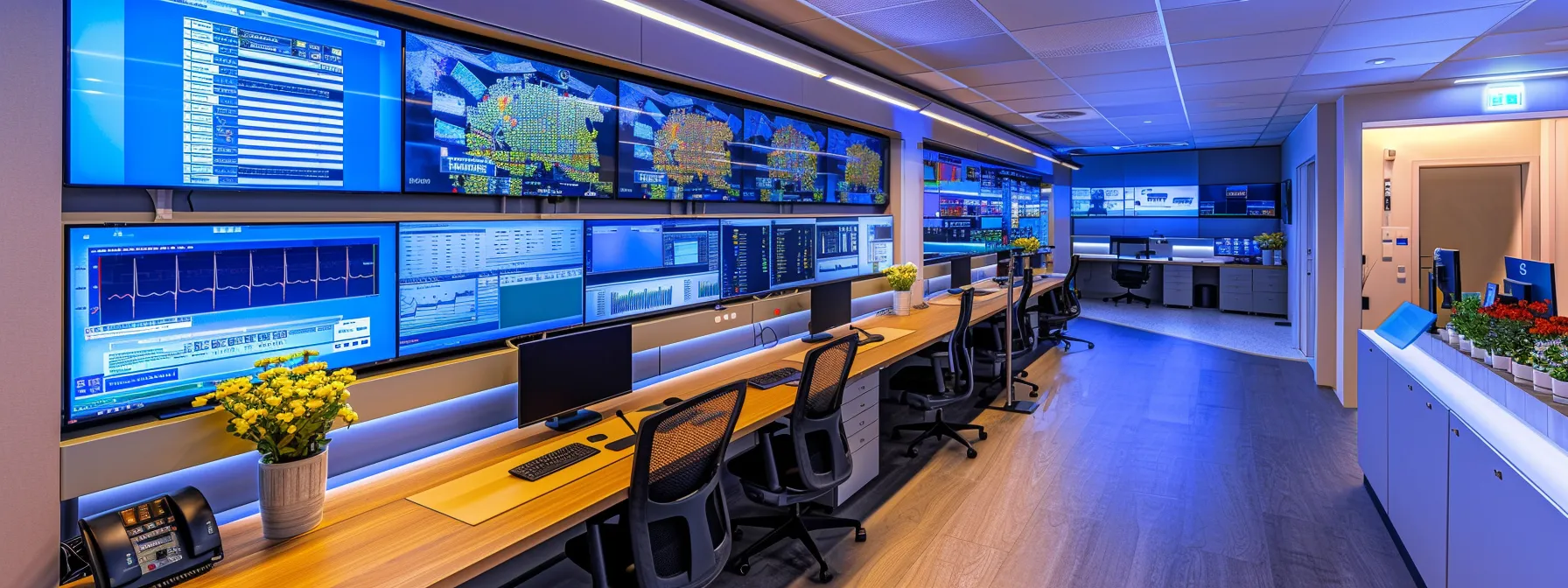
Equipment Management Software revolutionizes the way healthcare facilities manage their assets by providing a centralized platform for tracking and monitoring equipment. One of the key features of this software is its ability to enhance EMR Interoperability, allowing seamless integration with electronic medical records to ensure that equipment usage data is consistently updated. This level of integration facilitates the effective management of resources, leading to an overall improvement in the Value-Based Care Model, where the focus is on delivering high standards of care at reduced costs. In addition, this software helps in maintaining ICD-10 Compliance by ensuring that all equipment is up-to-date with industry standards and regulations.
Minimizing Equipment Downtime Through Real-Time Monitoring
Real-time monitoring is a critical function of Equipment Management Software, enabling healthcare facilities to identify issues before they lead to significant downtime. By utilizing advanced tracking and alert systems, the software provides instant notifications about equipment malfunctions or the need for servicing. This proactive approach is crucial in environments where the Telehealth Integration of various devices requires constant functionality to ensure patient consultations and diagnostics are not interrupted. According to recent studies, facilities that implement such systems can reduce downtime by up to 30% (Source: Becker’s Hospital Review, 2022). Furthermore, the adoption of this technology supports the Medication Reconciliation Process by ensuring all necessary equipment is available and functioning when needed.
Enhancing Maintenance Scheduling with Equipment Management Tools
Effective maintenance scheduling is vital in preventing equipment failures and ensuring continuous operation. Equipment Management Software assists healthcare facilities in organizing and automating maintenance tasks based on usage data and historical performance. This automation aligns with Clinical Decision Support System (CDSS) strategies, where timely maintenance can prevent diagnostic errors caused by faulty equipment. Moreover, with the help of the software, facilities can achieve EHR Optimization by aligning equipment maintenance schedules with patient appointments, thereby minimizing disruptions. Utilizing these tools can also play a role in the Credentialing and Privileging process, ensuring that only fully operational equipment is used by healthcare providers.
Improving Patient Care by Streamlining Equipment Availability
The ultimate goal of any healthcare facility is to deliver optimal patient care, and Equipment Management Software plays a crucial role in achieving this by ensuring that necessary medical devices are available when needed. By reducing equipment downtime and enhancing the coordination of resources, the software supports Population Health Management initiatives that focus on proactive care delivery. This streamlined availability of equipment is also integral to the effective implementation of the Patient-Centered Medical Home (PCMH) model, where comprehensive and accessible care is a priority. Furthermore, the software’s impact extends to the Utilization Review Process, as it provides data-driven insights into equipment usage, allowing for more informed decision-making regarding resource allocation.
Conclusion

Implementing Equipment Management Software in healthcare facilities is a strategic move that significantly reduces equipment downtime and enhances operational efficiency. By optimizing maintenance schedules, enabling real-time monitoring, and improving equipment availability, healthcare providers can ensure higher standards of patient care and cost-effective operations. This software not only supports compliance and integration but also plays a vital role in the broader context of healthcare delivery models. For healthcare facilities aiming to improve their service delivery, adopting Equipment Management Software is a step towards a more efficient and reliable healthcare environment.