

Journal of Neurology and Psychology
Download PDF
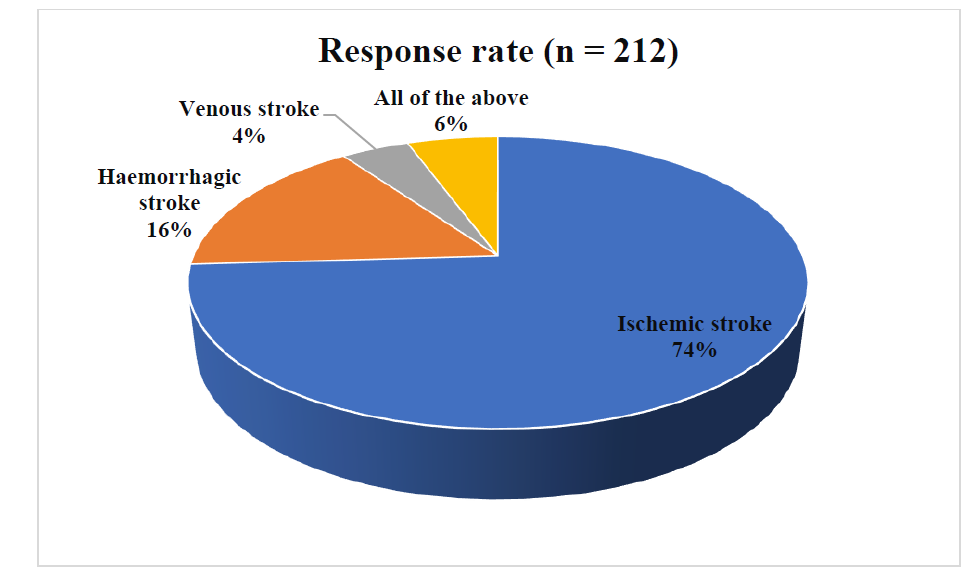 Figure 1:Distribution of responses on the type of stroke most frequently seen
in patients in clinical practice.
Figure 1:Distribution of responses on the type of stroke most frequently seen
in patients in clinical practice.
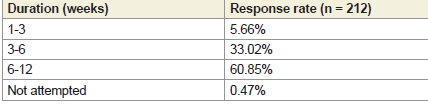 Table 1:Distribution of responses on the preferred duration of nicergoline
therapy following stroke.
Table 1:Distribution of responses on the preferred duration of nicergoline
therapy following stroke.
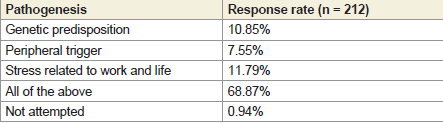 Table 2:Distribution of responses on important factors involved in migraine
pathogenesis
Table 2:Distribution of responses on important factors involved in migraine
pathogenesis
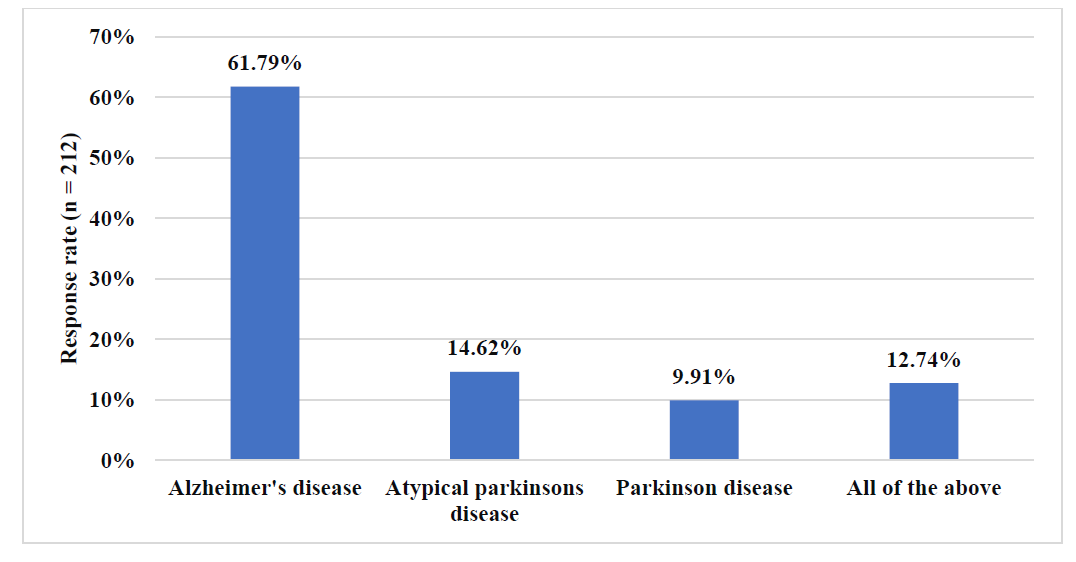 Figure 2:Distribution of responses on dementia requiring MMSE or other
neuropsychiatric assessment.
Figure 2:Distribution of responses on dementia requiring MMSE or other
neuropsychiatric assessment.
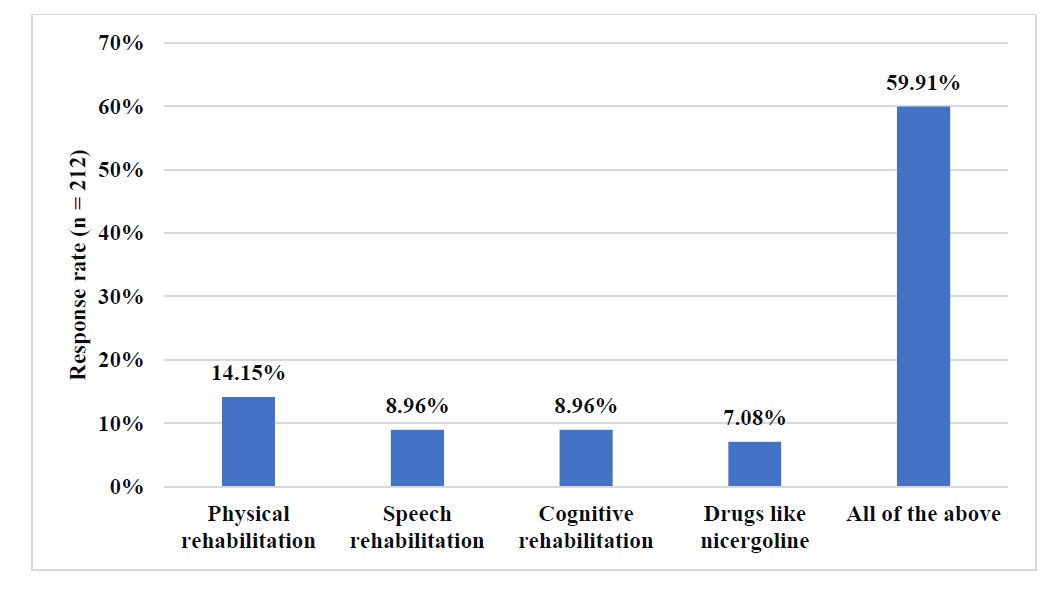 Figure 3:Distribution of responses on components of post-stroke
rehabilitation.
Figure 3:Distribution of responses on components of post-stroke
rehabilitation.
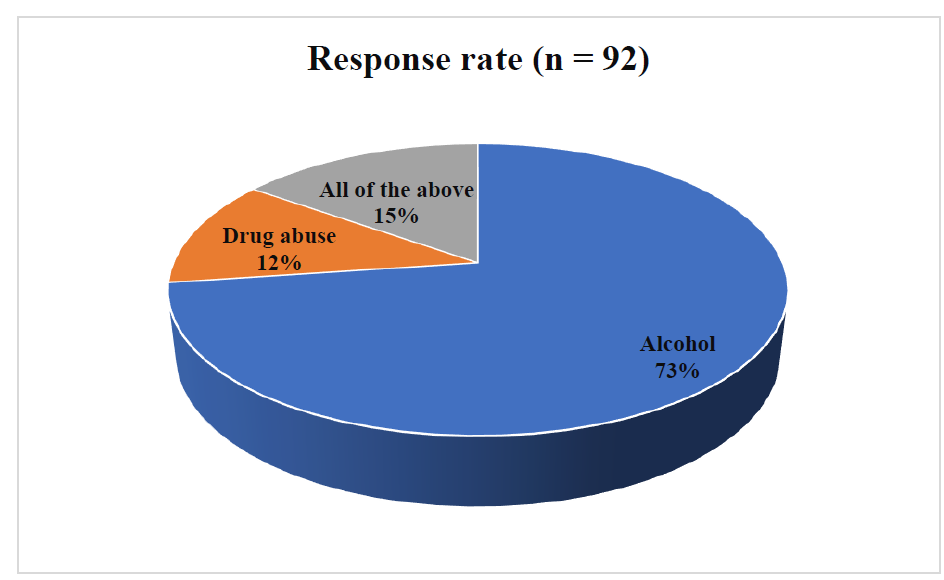 Figure 4: Distribution of responses on predisposing risk factors for youngonset
dementia.
Figure 4: Distribution of responses on predisposing risk factors for youngonset
dementia.
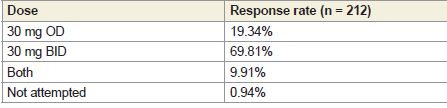 Table 3:Distribution of responses on the preferred nicergoline dosage in
clinical practice.
Table 3:Distribution of responses on the preferred nicergoline dosage in
clinical practice.
 Table 4:Distribution of responses on the preferred first-line drug for patients
with MCI/dementia.
Table 4:Distribution of responses on the preferred first-line drug for patients
with MCI/dementia.
Research Article
Expert Perspectives on the Management of Stroke, Migraine, Dementia, and Cognitive Disorders in Indian Settings
Manjula S1* and Krishna Kumar M2
1Department of Medical Services, Micro Labs Limited, Bangalore,
Karnataka, India
2Department of Medical Services, Micro Labs Limited, Bangalore, Karnataka, India.
2Department of Medical Services, Micro Labs Limited, Bangalore, Karnataka, India.
*Address for Correspondence:Dr Manjula S, Department of Medical Services, Micro Labs Limited, Bangalore, India, E-mail Id: drmanjulas@gmail.com
Submission: July 30, 2026
Accepted: September 10, 2026
Published: September 14, 2026
Copyright: ©2026 Manjula S, et al. This is an open access article
distributed under the Creative Commons Attribution License, which
permits unrestricted use, distribution, and reproduction in any medium,
provided the original work is properly cited.
Keywords:Ischemic Stroke; Nicergoline; Post-Stroke Rehabilitation;
Migraine; Alzheimer’s Disease; MCI.
Abstract
Objective: To assess current clinical practice patterns among
Indian clinicians in the diagnosis and management of neurological
disorders, including stroke, migraine, dementia, and mild cognitive
impairment (MCI), with a particular focus on nicergoline use, treatment
preferences, rehabilitation strategies, diagnostic approaches, and
clinician-reported treatment outcomes.
Methods: This cross-sectional, questionnaire-based survey was conducted among clinicians across India to assess clinical practice patterns in neurological disorders, with emphasis on nicergoline use, treatment preferences, rehabilitation strategies, and cognitive assessment. Data from both the main and extended studies were analysed using descriptive statistics.
Results: A total of 212 clinicians participated in the main survey. Of these, 92 clinicians additionally completed 15 questions constituting the extended survey. Ischemic stroke was reported as the most frequently encountered type of stroke in routine clinical practice by 74% of clinicians. Approximately 61% of respondents preferred prescribing nicergoline for 6–12 weeks following stroke, while nearly 70% favored a dosage of 30 mg twice daily. Nearly 69% identified the combined influence of genetic predisposition, peripheral triggers, and stress as the major contributors to migraine pathogenesis. Furthermore, 62% considered the Mini-Mental State Examination (MMSE) or other neuropsychological assessment tools essential for evaluating patients with Alzheimer’s disease. Nearly 60% of clinicians reported that comprehensive post-stroke rehabilitation should include physical, speech, and cognitive rehabilitation in combination with pharmacological therapy, such as nicergoline. In the NICE Extended Study, 73% of clinicians identified alcohol as the major risk factor for young-onset dementia, while approximately 61% preferred donepezil as the first-line treatment for patients with MCI and dementia.
Conclusion: The findings demonstrate widespread use of nicergoline in stroke rehabilitation and vascular dementia, emphasize the importance of MMSE and other neuropsychological assessments for cognitive evaluation, identify major clinician-perceived risk factors for migraine and young-onset dementia, and indicate a preference for donepezil as first-line therapy for MCI and dementia
Methods: This cross-sectional, questionnaire-based survey was conducted among clinicians across India to assess clinical practice patterns in neurological disorders, with emphasis on nicergoline use, treatment preferences, rehabilitation strategies, and cognitive assessment. Data from both the main and extended studies were analysed using descriptive statistics.
Results: A total of 212 clinicians participated in the main survey. Of these, 92 clinicians additionally completed 15 questions constituting the extended survey. Ischemic stroke was reported as the most frequently encountered type of stroke in routine clinical practice by 74% of clinicians. Approximately 61% of respondents preferred prescribing nicergoline for 6–12 weeks following stroke, while nearly 70% favored a dosage of 30 mg twice daily. Nearly 69% identified the combined influence of genetic predisposition, peripheral triggers, and stress as the major contributors to migraine pathogenesis. Furthermore, 62% considered the Mini-Mental State Examination (MMSE) or other neuropsychological assessment tools essential for evaluating patients with Alzheimer’s disease. Nearly 60% of clinicians reported that comprehensive post-stroke rehabilitation should include physical, speech, and cognitive rehabilitation in combination with pharmacological therapy, such as nicergoline. In the NICE Extended Study, 73% of clinicians identified alcohol as the major risk factor for young-onset dementia, while approximately 61% preferred donepezil as the first-line treatment for patients with MCI and dementia.
Conclusion: The findings demonstrate widespread use of nicergoline in stroke rehabilitation and vascular dementia, emphasize the importance of MMSE and other neuropsychological assessments for cognitive evaluation, identify major clinician-perceived risk factors for migraine and young-onset dementia, and indicate a preference for donepezil as first-line therapy for MCI and dementia
Introduction
Neurological disorders, including stroke, migraine, dementia,
and mild cognitive impairment (MCI), are major contributors to
disability and healthcare burden worldwide. In 2021, approximately
69.9 million people were living with ischemic stroke globally, while
migraine affected nearly 1.1 billion individuals, accounting for
approximately 14–15% of the world’s population. [1,2] Dementia
affected an estimated 56.9 million people worldwide in 2021, with
projections indicating that this number will exceed 137 million by
2050. [2] MCI affects approximately 15–20% of adults aged 65 years
and older, placing a substantial burden on patients, caregivers, and
healthcare systems. [2]
India bears a significant share of this neurological disease burden.
Stroke remains the leading contributor to neurological disability,
with an age-standardized prevalence of approximately 922 cases per
100,000 population.[3] Approximately 213.9 million Indians were
living with migraine in 2019, making it one of the most common
neurological disorders in the country. [3] The national prevalence
of dementia among adults aged ≥60 years is 7.4%, corresponding
to approximately 8.8 million affected individuals.[4] The growing
prevalence of these disorders highlights the need for timely diagnosis,
comprehensive rehabilitation, and effective pharmacological
interventions to improve functional and cognitive outcomes.
Nicergoline is a semisynthetic ergoline derivative with
vasodilatory, hemorheological, neuroprotective, antioxidant, antiinflammatory,
and cholinergic-enhancing properties. Through
these complementary mechanisms, it improves cerebral blood flow,
enhances neuronal metabolism, preserves neuronal integrity, and
supports cognitive and functional recovery in conditions such as
ischemic stroke, vascular dementia, Alzheimer’s disease, MCI, and
chronic cerebrovascular insufficiency.[5,6] Despite its long-standing
clinical use, there is limited contemporary evidence describing
usage, treatment preferences, rehabilitation strategies, and clinician
perceptions regarding the use of nicergoline in routine neurological
practice across India.
The present survey aimed to assess current clinical practice
patterns among Indian clinicians in the diagnosis and management
of neurological disorders, including stroke, migraine, dementia,
and MCI, with particular emphasis on nicergoline usage, treatment
preferences, rehabilitation strategies, diagnostic approaches, and
clinician-reported treatment outcomes.
Methodology
A cross-sectional study was carried out among clinicians across
India involved in the diagnosis and management of neurological
disorders, including stroke, dementia, migraine, MCI, peripheral
arterial disease, Parkinson’s disease, and post-stroke rehabilitation
across various clinical settings in India from June 2025 to December
2025. The study was performed in accordance with Bangalore Ethics,
an Independent Ethics Committee (ECR/355/Indt/KA/2022),
which was recognized by the Indian Regulatory Authority, the Drug
Controller General of India.
The NICE questionnaire was developed specifically for this clinician survey to capture practice patterns and treatment preferences related to neurological disorders and nicergoline use. The questionnaire comprised 37 structured multiple-choice questions. The instrument was reviewed for content relevance and clarity before use. As the questionnaire was designed as a descriptive clinical-practice survey rather than a psychometric assessment tool, formal reliability and psychometric validation were not performed.
This cross-sectional questionnaire-based survey was conducted among clinicians across India involved in the diagnosis and management of neurological disorders. Clinicians interested in participating were invited to complete the NICE (Nicergoline Efficacy and Tolerability Profile) questionnaire. A total of 212 clinicians participated in the main survey. Of these, 92 clinicians additionally completed 15 questions constituting the extended survey. Twenty two questions were common to both components and were included in the main/combined analysis, whereas the 15 additional questions were analysed separately among the 92 extended-survey participants
The NICE questionnaire was developed specifically for this clinician survey to capture practice patterns and treatment preferences related to neurological disorders and nicergoline use. The questionnaire comprised 37 structured multiple-choice questions. The instrument was reviewed for content relevance and clarity before use. As the questionnaire was designed as a descriptive clinical-practice survey rather than a psychometric assessment tool, formal reliability and psychometric validation were not performed.
This cross-sectional questionnaire-based survey was conducted among clinicians across India involved in the diagnosis and management of neurological disorders. Clinicians interested in participating were invited to complete the NICE (Nicergoline Efficacy and Tolerability Profile) questionnaire. A total of 212 clinicians participated in the main survey. Of these, 92 clinicians additionally completed 15 questions constituting the extended survey. Twenty two questions were common to both components and were included in the main/combined analysis, whereas the 15 additional questions were analysed separately among the 92 extended-survey participants
A convenience sampling approach was used. Clinicians involved
in the diagnosis and management of neurological disorders
were identified based on their professional expertise and clinical
experience and were invited to participate. Invitations were circulated
across India in March 2025. Approximately 212 clinicians expressed
willingness to participate. Written informed consent was obtained
from each participant before completion of the questionnaire.
Following confirmation of willingness to participate and completion
of the consent process, questionnaire-based data collection was
conducted from June 2025 to December 2025.
Statistical analysis:
Given the descriptive and exploratory objective of the survey,
the primary analysis consisted of descriptive statistics. Categorical
variables were summarized using frequencies and percentages.
Percentages were calculated using the number of valid responses to
each question as the denominator. Missing, non-response and “not
attempted/not applicable” responses, where applicable, were excluded
from the denominator. No formal hypothesis testing was prespecified.
Where appropriate and where sufficient data were available,
exploratory subgroup analyses were performed according to clinician
characteristics. Confidence intervals for selected major proportions
were additionally considered to provide an estimate of precision. All
subgroup findings were interpreted descriptively.
Results
A total of 212 clinicians participated in the main survey. Of
these, 92 clinicians additionally completed 15 questions constituting
the extended survey. Ischemic stroke was reported as the most
frequently encountered type of stroke in routine clinical practice by
74% of clinicians [Figure 1]. Nearly 58% of clinicians reported that
they would consider nicergoline as an adjunct to nimodipine in 11-
25% of patients with acute subarachnoid hemorrhage to overcome
vasospasm, while 63% of the clinicians reported using nicergoline
in hypertensive and diabetic patients with multiple lacunar infarcts
to reduce cerebral microvascular ischemia. Furthermore, 54% of the
participants believed that untreated cerebral microvascular disease
could result in increased stroke incidence, vascular dementia, and
late-onset seizures. Approximately 61% of the participants preferred
prescribing nicergoline for 6-12 weeks following stroke [Table 1].
Nearly 40% of clinicians considered postural hypotension, dizziness, and skin disorders as important adverse effects to monitor
Nearly 40% of clinicians considered postural hypotension, dizziness, and skin disorders as important adverse effects to monitor
in elderly patients receiving nicergoline. Nearly 47% of participants
identified vasodilation as the principal mechanism underlying
migraine pathogenesis when considering nicergoline as an adjunctive
therapy. Additionally, around 69% recognized genetic predisposition,
peripheral triggers, and stress as major contributors to migraine
pathogenesis [Table 2].
Approximately 37% of clinicians reported prescribing nicergoline in 21-30% of patients with transformed migraine, while 47% indicated that 26-50% of their patients responded well to nicergoline treatment. Alzheimer’s disease was identified as the most common type of dementia by 39% of clinicians, and 62% considered the MMSE or other neuropsychological assessment tools essential for the evaluation of patients with Alzheimer’s disease [Figure 2].Furthermore, nearly 60% of clinicians reported that comprehensive post-stroke rehabilitation should include physical, speech, and cognitive rehabilitation in combination with pharmacological therapy, such as nicergoline [Figure 3].
Approximately 37% of clinicians reported prescribing nicergoline in 21-30% of patients with transformed migraine, while 47% indicated that 26-50% of their patients responded well to nicergoline treatment. Alzheimer’s disease was identified as the most common type of dementia by 39% of clinicians, and 62% considered the MMSE or other neuropsychological assessment tools essential for the evaluation of patients with Alzheimer’s disease [Figure 2].Furthermore, nearly 60% of clinicians reported that comprehensive post-stroke rehabilitation should include physical, speech, and cognitive rehabilitation in combination with pharmacological therapy, such as nicergoline [Figure 3].
Nearly 58% of experts prescribed nicergoline in 11-20% of patients
with MCI or dementia, while 48% identified improvement in cerebral
microcirculation as its primary therapeutic mechanism. Half (50%) of
the clinicians reported prescribing nicergoline to 11-20% of patients
with vascular dementia. Approximately 70% of clinicians reported a
preference for nicergoline 30 mg twice daily. [Table 3].
Approximately 43% of the participants reported prescribing
nicergoline in 11-20% of patients with Raynaud’s disease, and
51% described its effectiveness in Parkinson’s disease-associated
cognitive impairment as satisfactory. Nearly half (49.53%) prescribed
nicergoline in 11-20% of patients with peripheral arterial disease.
Most clinicians (86.32%) had not encountered adverse drug reactions
associated with nicergoline. Approximately 42% rated treatment
outcomes as showing moderate improvement and 35.85% reported
marked improvement on the 5-point Global Improvement Scale.
Of the 92 clinicians who participated in the extended survey, 53%
reported the highest incidence of stroke among patients aged 41-50
years. Around 51% estimated that 11-15% of patients presented with
memory impairment or personality changes. Cognitive impairment
was considered most prevalent among individuals aged 50-60 years
by 38% of respondents. Approximately 51% identified Parkinson’s
disease as the neurodegenerative disorder most commonly associated
with dementia. Alcohol was considered the major risk factor for
young-onset dementia by 73% of clinicians [Figure 4].
About 50% of participants reported that 16–20% of patients were classified as having treatable dementia. Approximately 46% identified metabolic derangements, such as diabetes, as the principal mechanism underlying vascular dementia. Around 43% considered lack of awareness to be the major limitation of current dementia treatment, whereas 51% identified the cost of medications as the leading cause of poor medication adherence. Approximately 60% preferred donepezil as the first-line treatment for MCI and dementia [Table 4].
About 50% of participants reported that 16–20% of patients were classified as having treatable dementia. Approximately 46% identified metabolic derangements, such as diabetes, as the principal mechanism underlying vascular dementia. Around 43% considered lack of awareness to be the major limitation of current dementia treatment, whereas 51% identified the cost of medications as the leading cause of poor medication adherence. Approximately 60% preferred donepezil as the first-line treatment for MCI and dementia [Table 4].
About 40% of participants identified duplex ultrasonography as
the preferred diagnostic investigation for peripheral arterial disease,
while 47% favored mass education programmes to improve patient
awareness. Most clinicians (65.22%) reported regularly monitoring
patients for adverse effects, and 49% considered product quality the
most important factor when selecting a drug brand.
Discussion
Ischemic stroke was the most frequently encountered type
of stroke in routine clinical practice in the present survey. This
observation aligns with the Global Burden of Disease (GBD) 2021
analysis, which reported that ischemic stroke accounts for 65.3% of all
incident strokes worldwide, making it the predominant pathological
subtype.[7] Likewise, Prust et al. reported that ischemic stroke
remains the most common stroke subtype globally, with the greatest
disease burden occurring in low- and middle-income countries.
[8]
Most clinicians preferred prescribing nicergoline for 6-12 weeks
following stroke. This practice is supported by previous clinical
studies evaluating nicergoline in post-stroke patients. Brola et al.
evaluated nicergoline in patients with ischemic stroke, administering
intravenous nicergoline followed by oral nicergoline (30 mg/day)
for 30 days, demonstrating its feasibility in routine clinical practice.9
Furthermore, Kovalchuk evaluated nicergoline in 880 post-stroke
patients with cognitive and psychoemotional disorders and reported
improvements in cognitive function and emotional outcomes,
supporting its role as an adjunct in post-stroke rehabilitation.
[10]
In the migraine section, clinicians identified genetic predisposition,
peripheral triggers and stress as important contributors to migraine
pathogenesis. These findings represent clinician perceptions and
are consistent with the multifactorial nature of migraine. However,
responses to this survey question should not be interpreted as
evidence of the efficacy or therapeutic role of nicergoline in migraine.
Further clinical studies would be required to establish the efficacy
and clinical positioning of nicergoline in this indication. Khan et al.
highlighted that stress, metabolic disturbances, and peripheral stimuli
contribute to migraine attacks in genetically susceptible individuals.
[11] Similarly, Yeh et al. reported that both genetic and environmental
factors play equally important roles in migraine pathogenesis and
identified stress, sleep disturbances, fasting, hormonal changes, and
sensory stimuli as common migraine triggers, particularly among
genetically predisposed individuals.[12]
Regarding cognitive assessment, many clinicians considered the
MMSE or similar neuropsychological tests essential for evaluating
patients with Alzheimer’s disease. Current recommendations from
the National Institute on Aging–Alzheimer’s Association (NIAAA)
advocate objective cognitive assessment using standardized
instruments such as the MMSE, Montreal Cognitive Assessment
(MoCA), or equivalent validated tools to establish baseline cognitive
impairment and monitor disease progression.[13] The updated
Alzheimer’s Association clinical practice guideline recommends that
validated cognitive assessment tools, including the MMSE, MoCA,
should be used as part of the initial evaluation and longitudinal
assessment of individuals with suspected Alzheimer’s disease and
other dementias.[14]
More than half of the clinicians reported that comprehensive
post-stroke rehabilitation should include physical, speech, and
cognitive rehabilitation, together with pharmacological therapy
such as nicergoline. This multidisciplinary approach is consistent
with the National Institute for Health and Care Excellence (NICE)
guideline, which recommends individualized rehabilitation delivered
by specialist multidisciplinary teams, including physiotherapists,
occupational therapists, speech and language therapists, psychologists,
and physicians.[15] Similarly, the Veterans Affairs/Department
of Defense (VA/DoD) guideline advocates early multidisciplinary
rehabilitation, incorporating physical, speech, occupational, and
cognitive therapies to optimize functional recovery following stroke.
[16]
The majority of clinicians preferred prescribing nicergoline
at a dose of 30 mg twice daily. Approximately 70% of clinicians
reported a preference for nicergoline 30 mg twice daily. This
finding reflects the dosing preference reported by participating
clinicians and should not be interpreted as establishing a universal
or contemporary recommended dose. Historical clinical trials have
evaluated nicergoline 30 mg twice daily in selected populations,
including patients with mild-to-moderate senile dementia and multiinfarct
dementia. This finding is consistent with previous clinical
studies. Nappi et al. administered nicergoline 30 mg twice daily for
12 months in a multicentre, double-blind, placebo-controlled trial
involving patients with mild-to-moderate senile dementia.
[17] Similarly, Herrmann et al. used the same dosage (30 mg twice daily)
for 6 months in a multicentre, randomized, placebo-controlled trial
of patients with multi-infarct dementia, supporting the widespread
clinical use of this dosing regimen.[18]
In the present survey, many clinicians considered alcohol to be the
major risk factor for young-onset dementia. This finding is consistent
with the World Health Organization, which identifies heavy alcohol
consumption as one of the leading modifiable risk factors for youngonset
dementia, with alcohol-related brain damage and alcohol use
disorders contributing substantially to dementia cases occurring
before the age of 65 years.[19] Similarly, Schwarzinger et al., in a
nationwide cohort study involving more than one million patients
with dementia, reported that alcohol use disorders were the strongest
modifiable risk factor for early-onset dementia (<65 years). The study
further demonstrated that alcohol use disorders were associated with
a more than threefold increased risk of dementia and were present in
over half of early-onset dementia cases among men, underscoring the
significant contribution of alcohol to the development of young-onset
dementia.[20]
In the present survey, approximately 61% of clinicians reported
donepezil as the preferred first-line treatment for patients with
MCI and dementia. This finding is partly consistent with current
evidence. Several clinical guidelines recommend donepezil as a
first-line acetylcholinesterase inhibitor for patients with mild-tomoderate
Alzheimer’s disease. Similarly, the British Association for
Psychopharmacology (BAP) recommends cholinesterase inhibitors,
including donepezil, for the management of mild-to-moderate
Alzheimer’s disease. However, current evidence does not support the
routine use of donepezil in MCI, as major guidelines and Cochrane
reviews have concluded that there is insufficient evidence of sustained
clinical benefit, and therefore it is not recommended as standard
therapy for MCI. [19,21]
The present survey provides comprehensive insights into
clinicians’ practices regarding the management of stroke, migraine,
dementia, cognitive impairment, and other neurological disorders
across India. Inclusion of both the main and extended surveys enabled
assessment of a broad range of clinical scenarios and prescribing
patterns for nicergoline. However, the study has several limitations.
Several limitations should be considered. First, the use of convenience
sampling may have introduced selection and non-response bias,
limiting the generalizability of the findings to the broader population
of clinicians managing neurological disorders in India. Second, the
study relied on self-reported clinician responses, which may be subject
to recall, reporting and social-desirability biases. Third, the crosssectional
design provides a snapshot of reported practice patterns
and does not permit assessment of temporal or causal relationships.
Fourth, the questionnaire was developed specifically for this survey
and was not designed as a formal psychometric instrument; therefore,
formal reliability and construct validation were not performed.
Fifth, clinician-reported treatment preferences were not verified
against objective prescribing records or patient-level clinical data.
Consequently, reported treatment preferences and perceived outcomes
cannot be interpreted as evidence of treatment efficacy or patient
benefit. Finally, given the funding and sponsor involvement in study
conceptualization and questionnaire development, the possibility of
sponsor-related influence cannot be completely excluded.
Conclusion
This survey describes clinician-reported practice patterns and
treatment preferences in the management of stroke, migraine,
dementia, MCI and other neurological disorders in participating
clinical settings across India. The findings provide insights into
reported preferences regarding nicergoline use, post-stroke
rehabilitation, cognitive assessment, treatment duration and dosing,
and medication adherence. These findings should be interpreted as
descriptive clinician perceptions rather than evidence of comparative
treatment efficacy or patient outcomes. Further prospective studies
incorporating objective prescribing data and patient-level clinical
outcomes are warranted.
Acknowledgement
We would like to thank all the clinicians who participated in this study.
Conflict of Interest
The authors are employees of Micro Labs Limited, which funded
the study. Micro Labs Limited was involved in study conceptualization
and questionnaire development. The authors recognize that sponsor
involvement may introduce the potential for bias in study design or
interpretation. The results are therefore presented descriptively and
should be interpreted as clinician-reported practice patterns rather
than evidence of comparative treatment efficacy.
Funding:
This study was funded by Micro Labs Limited. The sponsor had
a role in study conceptualization and questionnaire development but
did not influence the interpretation of results.
References
Citation
Manjula S, Krishna Kumar M. Expert Perspectives on the Management of Stroke, Migraine, Dementia, and Cognitive Disorders in Indian Settings. J Neurol Psychol. 2026; 12(1): 01.